

Understanding Teeth Sensitivity: Causes and Treatments
Teeth sensitivity is a common dental complaint that affects millions of people worldwide. It can cause significant discomfort and impact one’s quality of life, especially when eating or drinking hot, cold, sweet, or acidic foods. Understanding the causes and exploring the various treatment options can help manage and alleviate this condition effectively.
Causes of Teeth Sensitivity
1. Worn Enamel: Enamel is the protective outer layer of the teeth. Over time, it can wear down due to aggressive brushing, acidic foods and drinks, or general wear and tear. When enamel erodes, the underlying dentin, which contains tiny tubules leading to the tooth’s nerve center, is exposed, causing sensitivity.
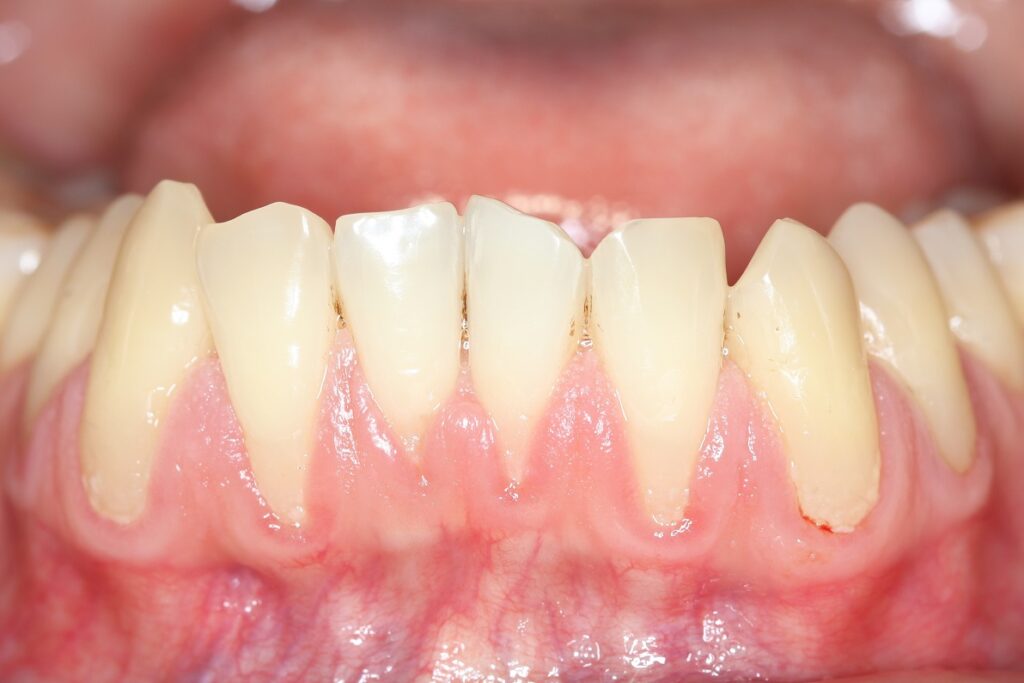
2. Gum Recession: Receding gums expose the roots of the teeth, which lack the protective enamel layer. This exposure can lead to sensitivity, particularly to temperature changes.
3. Tooth Decay and Cavities: Cavities create holes in the teeth that can expose the sensitive inner layers to external stimuli, resulting in discomfort.
4. Fractured Teeth: Cracks or fractures in teeth can expose the dentin and nerves, causing sensitivity and pain.
5. Dental Procedures: Teeth can become temporarily sensitive after dental procedures such as fillings, crowns, or teeth whitening. This sensitivity usually resolves within a few days.
6. Bruxism (Teeth Grinding): Grinding or clenching teeth can wear down enamel and expose dentin, leading to sensitivity.
7. Gastroesophageal Reflux Disease (GERD): GERD can cause stomach acids to reach the mouth, eroding enamel and leading to sensitivity.
8. Poor Oral Hygiene: Inadequate brushing and flossing can lead to plaque buildup and gum disease, which can result in sensitivity.
9. Diet: Consuming a diet high in acidic foods and beverages, such as citrus fruits, sodas, and wine, can contribute to enamel erosion and tooth sensitivity.
Treatment Options for Teeth Sensitivity
1. Desensitizing Toothpaste: Specially formulated toothpaste for sensitive teeth can help block the transmission of sensation from the tooth surface to the nerve. Ingredients such as potassium nitrate or stannous fluoride are often used.
2. Fluoride Treatments: Professional fluoride treatments applied by a dentist can help strengthen enamel and reduce sensitivity. Fluoride varnishes or gels can be applied to the sensitive areas of your teeth.
3. Dental Bonding: For exposed root surfaces or worn enamel, a dentist can apply a bonding agent to seal the surface and reduce sensitivity.
4. Gum Grafts: If gum recession is the cause of sensitivity, a gum graft can cover the exposed roots and protect them from sensitivity.
5. Root Canal Therapy: In severe cases where sensitivity is caused by nerve damage or infection, a root canal may be necessary. This procedure removes the damaged nerve and pulp, alleviating sensitivity and pain.
6. Mouthguards: For those who grind their teeth, a custom-fitted mouthguard can protect the teeth from further wear and reduce sensitivity.
7. Dietary Changes: Reducing the intake of acidic foods and beverages can help prevent further enamel erosion. Using a straw for acidic drinks can also minimize contact with teeth.
8. Proper Oral Hygiene: Maintaining good oral hygiene practices can prevent sensitivity caused by plaque buildup and gum disease. This includes brushing with a soft-bristled toothbrush, using gentle strokes, and flossing daily.
9. Sealants: Dentists can apply sealants to cover the exposed dentin and protect the teeth from sensitivity.
10. Avoid Whitening Products: Some whitening products can increase tooth sensitivity. If you experience sensitivity after using such products, consult your dentist for alternatives.

Preventing Teeth Sensitivity
Preventing teeth sensitivity involves a combination of good oral hygiene practices and lifestyle choices. Here are some tips to help prevent sensitivity:
– Brush Gently: Use a soft-bristled toothbrush and gentle strokes to avoid enamel wear.
– Floss Daily: Remove plaque and food particles from between your teeth to prevent gum disease.
– Limit Acidic Foods and Drinks: Reduce consumption of acidic foods and beverages that can erode enamel.
– Use Fluoride Toothpaste: Strengthen your enamel with fluoride toothpaste.
– Regular Dental Visits: Visit your dentist regularly for check-ups and professional cleanings.
– Wear a Mouthguard: If you grind your teeth, wear a mouthguard to protect your enamel.
– Stay Hydrated: Drinking plenty of water helps wash away food particles and bacteria, reducing the risk of decay and sensitivity.
Conclusion
Teeth sensitivity can be a bothersome condition, but understanding its causes and available treatments can help manage and alleviate the discomfort. From using desensitizing toothpaste to undergoing professional dental treatments, there are various ways to protect your teeth and reduce sensitivity. Practicing good oral hygiene and making informed dietary choices are key to preventing and managing tooth sensitivity. If you experience persistent or severe sensitivity, consult your dentist for a comprehensive evaluation and personalized treatment plan. With the right care and attention, you can enjoy a pain-free and healthy smile.

