

The Benefits and Shortcomings of Dental Implants: Are They Worth the Financial Investment?
Dental implants have revolutionized the way we approach tooth replacement. They offer a range of benefits that make them a preferred option for many, though they do come with some drawbacks. Here’s a balanced look at the benefits and shortcomings of dental implants, concluding why they are worth the financial investment.
Benefits of Dental Implants
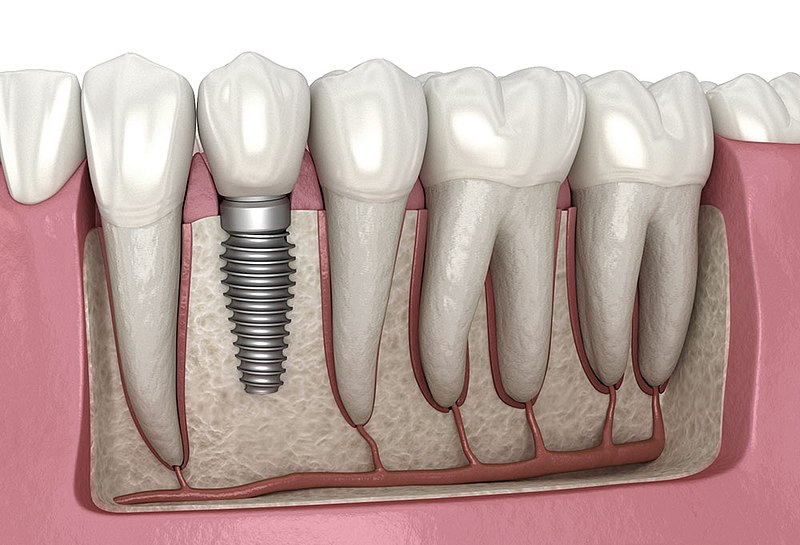
1. Natural Look and Functionality Dental implants are designed to look, feel, and function like natural teeth. They are securely anchored into the jawbone, providing a stable and permanent solution that allows you to eat, speak, and smile with confidence.
2. Durability and Longevity Dental implants are highly durable, often lasting a lifetime with proper care. This makes them a cost-effective solution over time, as they do not require the frequent replacements that dentures or bridges might.
3. Improved Oral Health Implants help maintain the structure of your jawbone and prevent bone loss that typically occurs after losing teeth. Unlike bridges, which rely on adjacent teeth for support, implants do not compromise the health of neighboring teeth.
4. Enhanced Comfort and Convenience Unlike removable dentures, implants are a permanent solution that eliminates the discomfort and inconvenience of slipping or removal. They integrate seamlessly into your mouth, allowing for normal oral hygiene practices like brushing and flossing.
5. Boosted Confidence With dental implants, you can regain a complete and natural-looking smile, which can significantly boost your self-esteem and improve your overall quality of life.
Shortcomings of Dental Implants
1. High Initial Cost The upfront cost of dental implants can be higher compared to other tooth replacement options like dentures or bridges. This can be a significant consideration for many patients.
2. Surgical Procedure Getting dental implants involves a surgical procedure, which carries risks such as infection, nerve damage, and implant failure. Not everyone is a candidate for this surgery, particularly those with insufficient jawbone density or certain medical conditions.
3. Time-Consuming Process The process of getting dental implants can be lengthy, often taking several months from start to finish. This includes the time needed for the jawbone to heal and integrate with the implant post.
4. Possible Complications Although rare, complications such as implant rejection or peri-implantitis (inflammation around the implant) can occur. Regular dental check-ups and good oral hygiene are essential to mitigate these risks.
Conclusion: A Worthy Investment
Despite the higher initial cost and the surgical nature of dental implants, their long-term benefits make them a worthwhile investment. The durability, natural appearance, and significant improvements in oral health and functionality they offer outweigh the drawbacks. Over time, implants can prove to be more cost-effective and convenient compared to other temporary solutions.
Investing in dental implants is not just about replacing missing teeth; it’s about restoring your smile, enhancing your confidence, and improving your overall quality of life. If you’re considering dental implants, consult with a qualified dentist to evaluate if they are the right option for you. The financial investment in dental implants is an investment in a healthier, more confident future.