

The Pros and Cons of Teeth Whitening
Teeth whitening has become a highly sought-after cosmetic procedure, promising a brighter, more confident smile. However, like any dental treatment, it comes with its own set of advantages and disadvantages. Understanding these can help you make an informed decision. Ultimately, using professionally recommended brands of whitening treatments under the guidance of a dentist is the safest and most effective approach. Here’s a closer look at the pros and cons of teeth whitening.
The Pros of Teeth Whitening
1. Enhanced Appearance
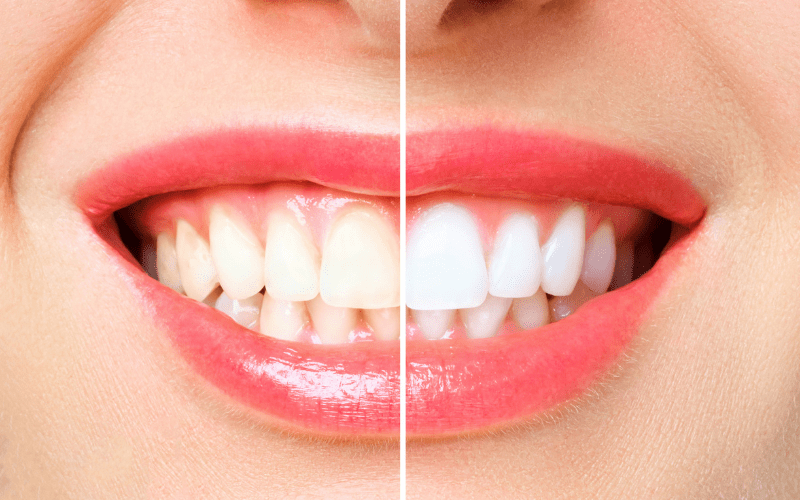
The most obvious benefit of teeth whitening is the enhancement of your smile. Whiter teeth can significantly improve your overall appearance, making you look more youthful and vibrant. This can boost your self-confidence and positively impact your personal and professional interactions.
2. Non-Invasive Procedure
Teeth whitening is a non-invasive cosmetic procedure. Unlike other dental treatments that might require drilling or surgery, teeth whitening typically involves applying a bleaching agent to the surface of the teeth. This makes it a relatively simple and straightforward process.
3. Quick Results
Many teeth whitening treatments can deliver noticeable results in a short amount of time. Professional treatments, in particular, can make your teeth several shades whiter after just one session, providing an immediate boost to your smile.
4. Customizable Options
There are various teeth whitening options available, ranging from over-the-counter products to professional treatments. This variety allows individuals to choose a method that best suits their needs, preferences, and budget.
The Cons of Teeth Whitening
1. Tooth Sensitivity
One of the most common side effects of teeth whitening is increased tooth sensitivity. Whitening agents can penetrate the enamel and reach the dentin, leading to temporary or sometimes prolonged sensitivity to hot, cold, or sweet foods and drinks.
2. Gum Irritation
Teeth whitening agents can cause irritation to the gums if they come into contact with the soft tissues. This can result in redness, swelling, or even bleeding. Proper application and protective measures are essential to minimize this risk.
3. Enamel Damage
Frequent or improper use of whitening products can lead to enamel damage. Overuse or overly aggressive treatments can erode the enamel, making teeth more susceptible to cavities and wear. It’s crucial to follow the recommended guidelines to avoid damaging your teeth.
4. Uneven Results
Teeth whitening treatments may not produce uniform results, especially if you have dental restorations like crowns, veneers, or fillings. These materials do not respond to whitening agents, which can lead to uneven coloring. Additionally, intrinsic stains, which are deep within the tooth, may not lighten effectively.
For a more in depth look at the negative effects of improper teeth whitening, take a look at the NIH article detailing research on the subject.
Conclusion: Professional Guidance is Key
While teeth whitening offers many benefits, it is not without its risks. The potential for tooth sensitivity, gum irritation, enamel damage, and uneven results highlights the importance of professional guidance. Using professionally recommended brands of whitening treatments under the supervision of a dentist is the safest and most effective way to achieve the desired results.
A dentist can assess your oral health, recommend the best whitening options for your specific needs, and ensure that the treatment is applied safely. They can also provide protective measures for your gums and monitor the treatment to prevent overuse or damage to your enamel.
In conclusion, while teeth whitening can enhance your smile and boost your confidence, it’s essential to proceed with caution. By choosing professional-grade products and seeking the advice of a dental professional, you can enjoy the benefits of a brighter smile while minimizing the risks. Remember, a healthy smile is a beautiful smile, and maintaining your dental health should always be the top priority.